
Pan-seared scallops are one of the fastest, most impressive things you can make at home — that glistening alabaster bivalve crowned with a deep golden crust, tender and just barely opaque in the center. The secret starts before the pan even gets hot: dry-packed U10–20 sea scallops, completely patted dry, in a screaming-hot cast iron skillet. This guide walks you through every step — from choosing the right scallops to nailing the sear — so you get perfect results every time.
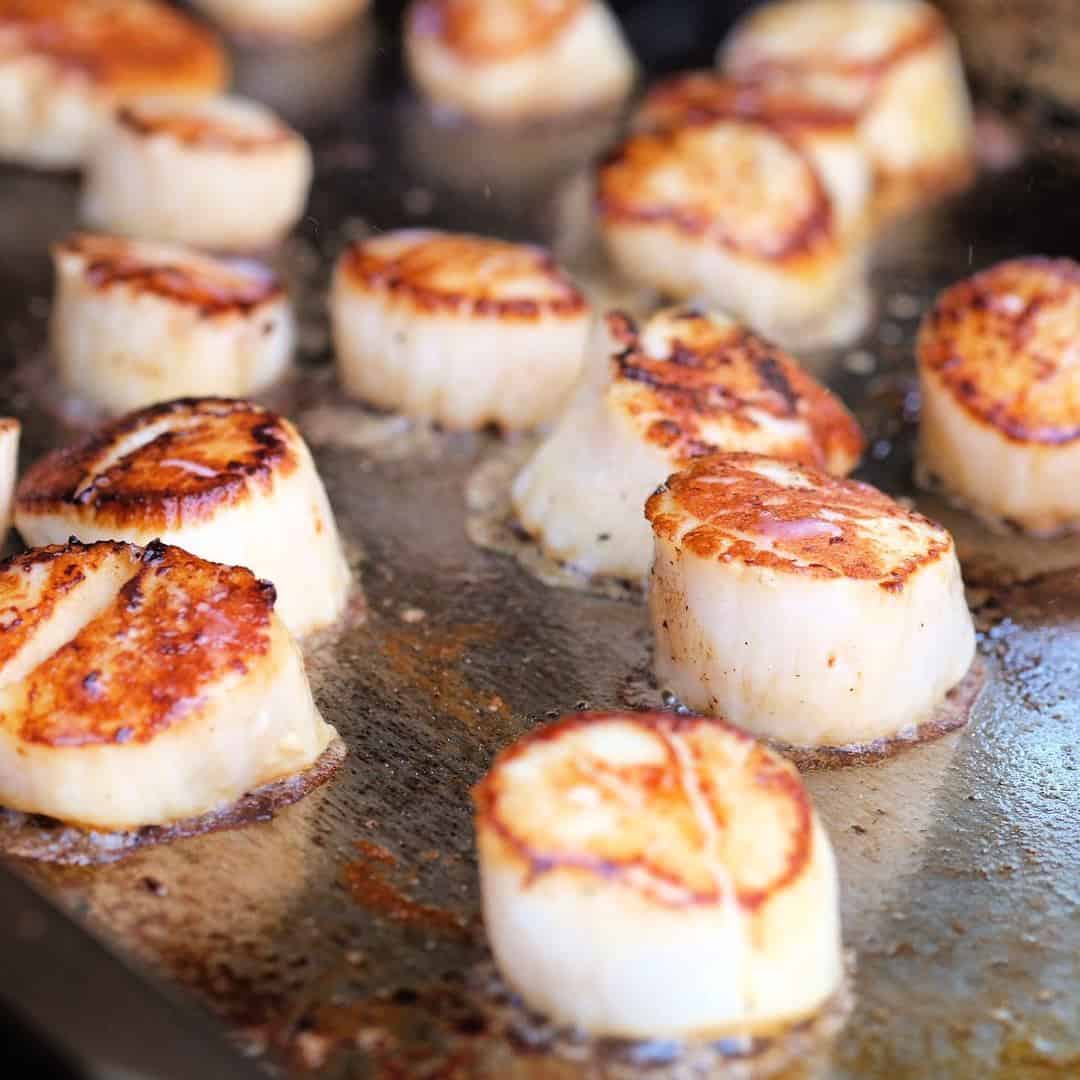
Perfect seared scallops start with the right ingredient: dry-packed sea scallops. A few simple prep steps are all it takes to get that golden crust and tender center every time.
The secret to perfectly seared scallops comes down to three things: start with dry-packed U10–20 sea scallops, pat them completely dry, and get your skillet screaming hot before they hit the pan. Sear undisturbed for 1½ to 2 minutes, until a deep golden crust forms on the bottom, then flip once and cook for 1 to 2 minutes more, just until the centers are barely opaque.
Tips for Seared Scallops
Have you ever wondered how chefs achieve those photo-worthy scallops gleaming with their browned crowns? With just a few simple tips, you can recreate Instagram-worthy seared scallops at home.
- Dry – Make sure your scallops are thoroughly dry before placing them in your pan or on your griddle.
- Size – Searing works best with larger scallops. Pick scallops that are labeled jumbo or colossal. U10-20 scallops means that there will be 10 to 20 scallops per pound. Larger scallops can take the high heat without overcooking.
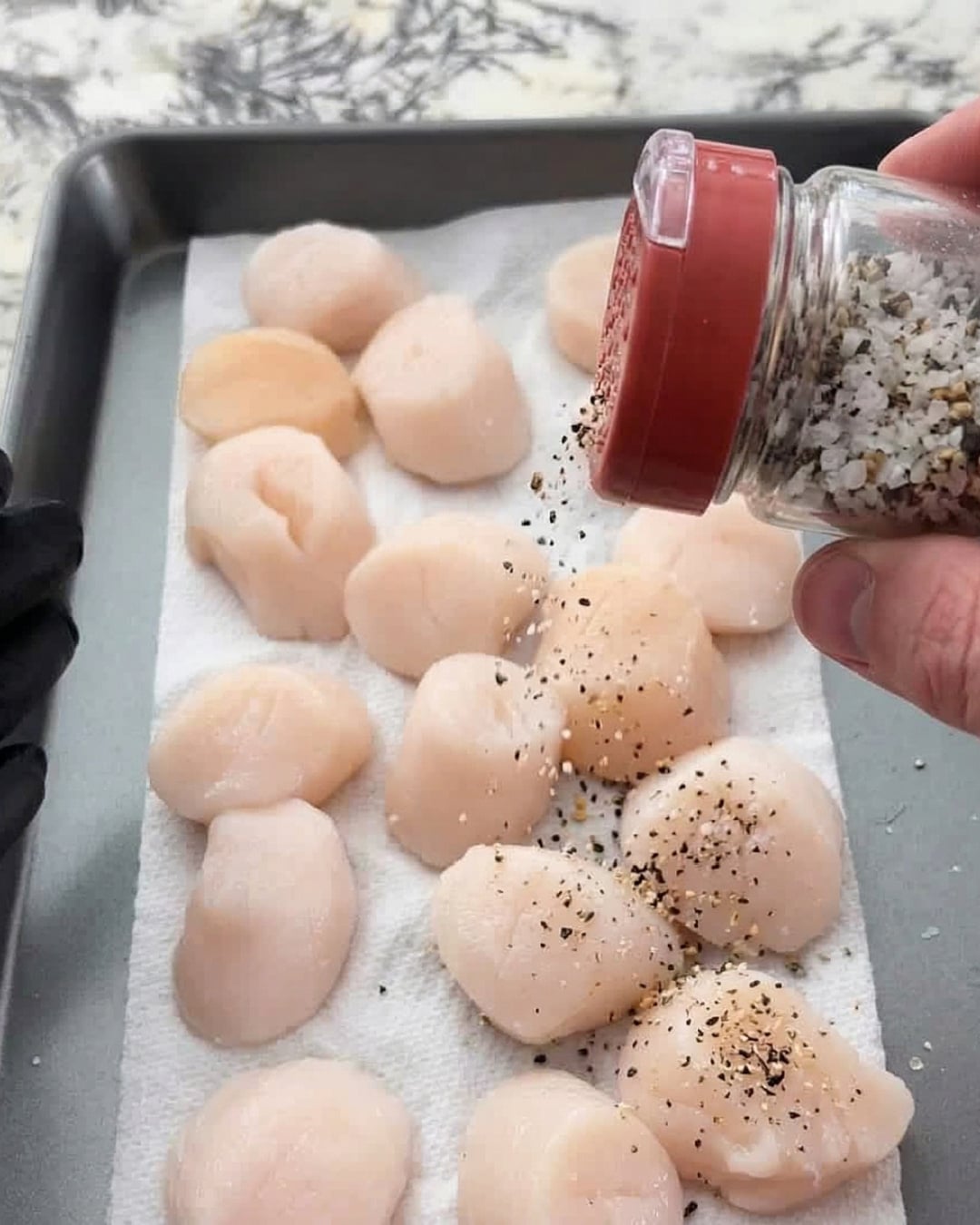
- Seasoning – Lightly season your dried scallops immediately before cooking them. A sprinkle of sea salt or kosher salt will help draw out any extra moisture, lending them to a perfect sear.
- High Heat – Make sure your skillet or griddle is fully heated. If added too early, the scallops will stick to the pan. The oil should be slightly bubbling and dancing. If the pan isn’t hot enough, you will steam the scallops instead of searing them.
- Spacing – Don’t overcrowd the pan, or the scallops will not brown properly. It’s better to sear scallops in batches than it is to fit them all into one pan. If they’re too crowded, they will steam.
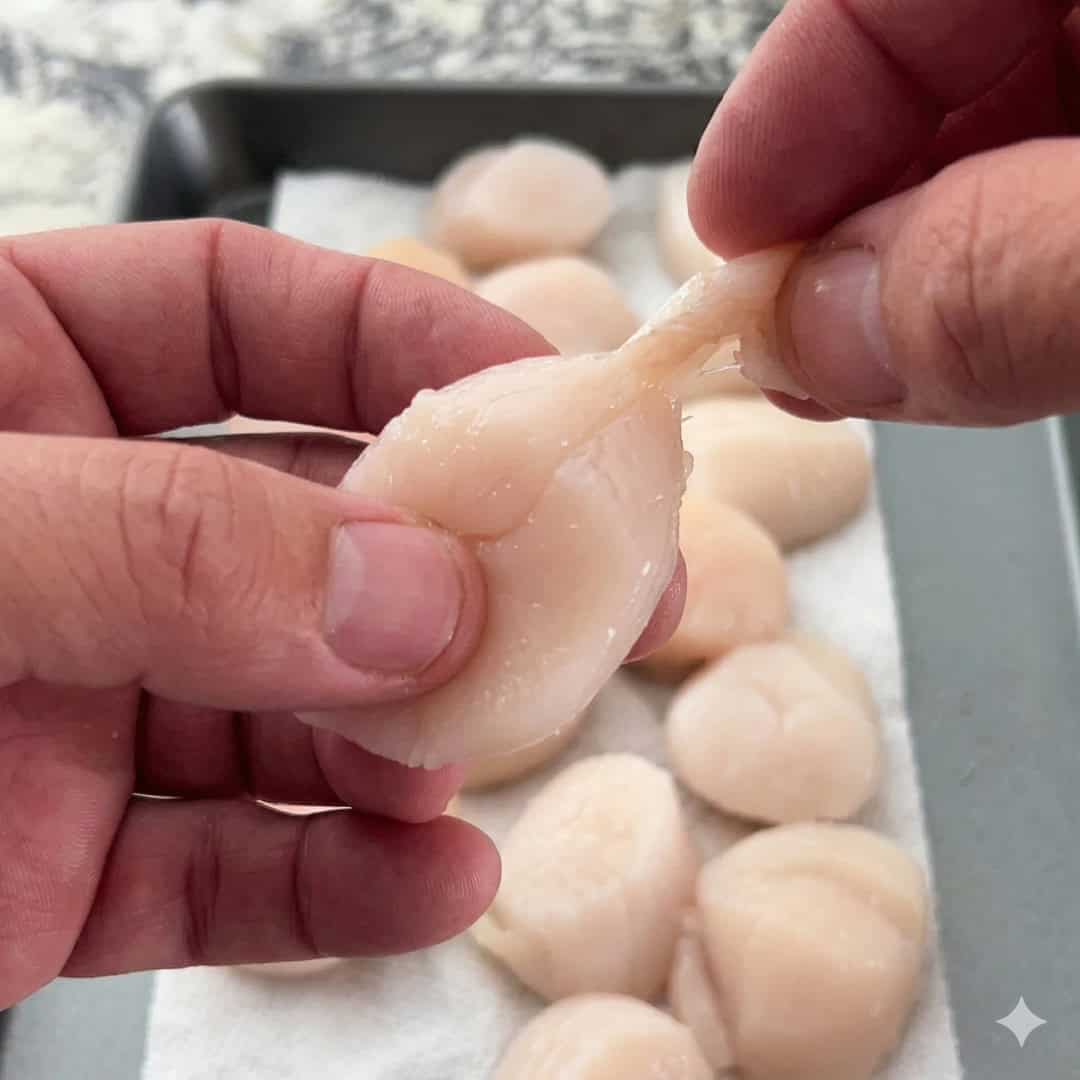
- Abductor Muscle – Always remove the muscle on the side of the scallops. It becomes tough when cooked, but it is easily removed with your fingers.
- Touch – Use your sense of touch to tell you when to flip your scallops and when they’re done. After 1.5 to 2 minutes, check whether your scallops release easily from the pan. If they do, it’s time to flip. When the scallops are done, they will be firm to the touch but still spring back.
- Temperature – Your scallops are done when their internal temperature is between 115 and 120 degrees.

Featured Product
Premium Dry-Packed Sea Scallops
Wild-caught, dry-packed sea scallops in 1 lb packs — ideal for getting a deep golden sear at home.
Shop Sea ScallopsChoose the Best Scallops for Searing
Great seared scallops start with the right scallops. Choose dry-packed sea scallops — not wet-packed. Wet scallops are treated with added water or preservatives that steam off in the pan, killing your sear before it starts.
Size matters too. U10–20 sea scallops are the sweet spot for pan searing: large enough to develop a deep golden crust while the center stays just barely opaque. If yours have a light pink or pale orange tint, that’s natural — you’re likely looking at female scallops.
For a full breakdown of scallop sizes, grades, and what to look for at the counter, see our guide on how to buy the best scallops. Ready to cook? Shop our dry-packed sea scallops here.

Tools for Seared Scallops
Armed with the right scallops, you don’t need fancy tools to make decadent seared scallops. All you need is the ideal cooking surface and an instant-read digital thermometer. You can prepare these in your kitchen as you sip a cocktail or alongside your shrimp and lobster tails on the grill for the ultimate Maine Fresh Catch Dinner.
- Pan/Griddle – Always pick a cooking surface that can handle high heat. Cast iron pans, griddles, and stainless steel are ideal. Also, pick a flat cooking surface. This will give you that even edge-to-edge crust.
- Instant Read Thermometer – When in doubt, temp check. Just like anything else, cooking scallops takes practice, and eventually you will get the timing down. In the beginning, don’t be afraid to depend on the tried-and-true method of checking the internal temperature. Always check from the center of the scallop on the side, aiming for 115-120 degrees. Just like steaks, scallops have carryover cooking and will continue to cook even after they’ve been removed from the heat source.
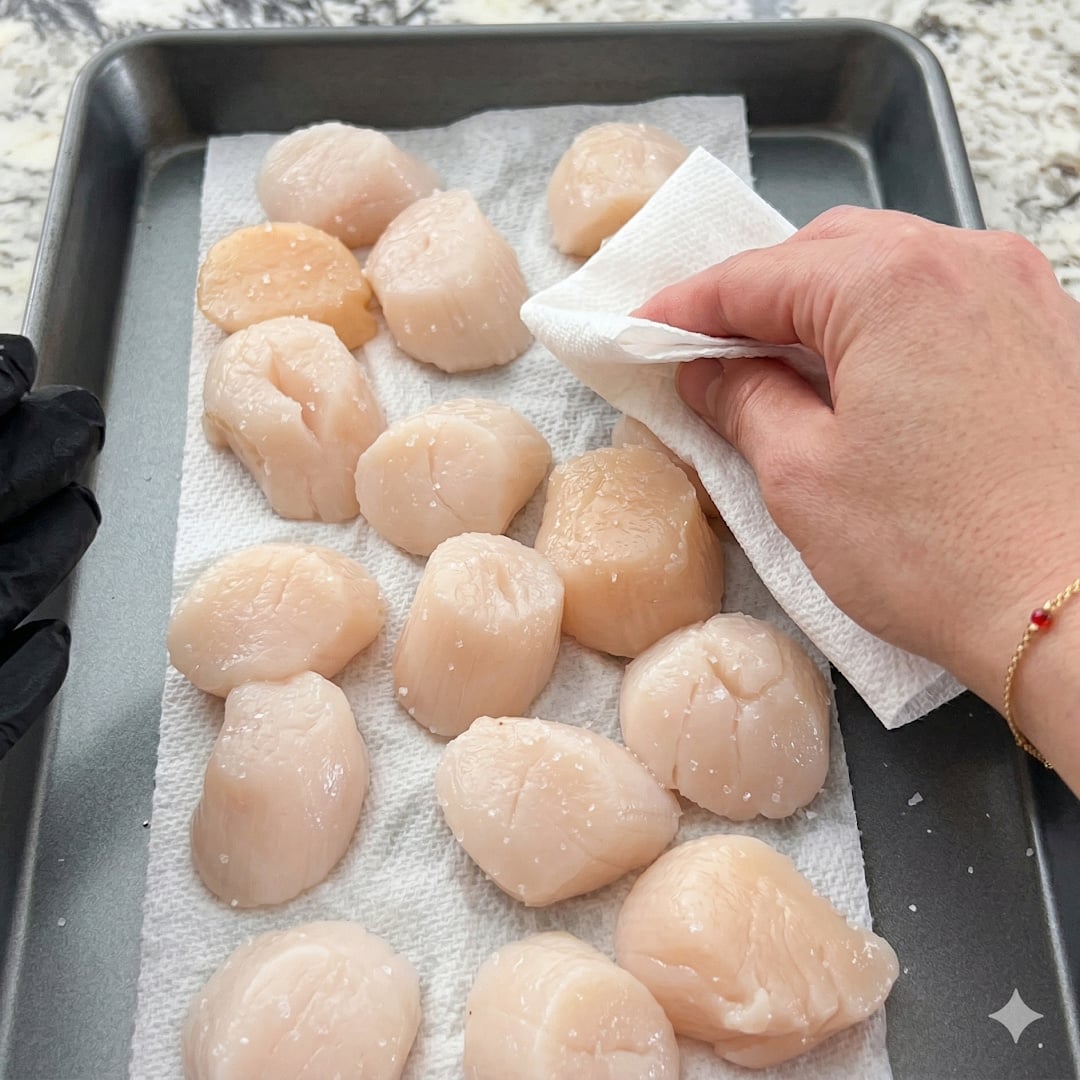
- Paper Towel – A dry scallop is a happy scallop. Use paper towels to thoroughly blot your scallops dry before seasoning and cooking.
- Fish Spatula/Silicone-Tipped Tongs – Scallops are delicate and can tear easily. Using the right tool to flip them will not only make the process seamless but also prevent damage to the scallop. Fish spatulas are made especially for fragile fish fillets and delicate food like scallops. Unlike all metal tongs, silicone-tipped tongs can easily grip items without the sharp metal digging in.
Ingredients
When it comes to celebrating this sweet bite of the sea, there is nothing wrong with keeping it simple. Especially when you’re perfecting the art of searing scallops, keeping your seasonings to a minimum will let the scallops’ flavor shine without making the cooking process overwhelming. Once you have mastered the art of searing scallops, you can add them to dishes like lobster paella.
- Scallops – The star of the show. When you start with the best scallops, it only takes a couple of accents to allow them to shine.
- Salt/Pepper: Sea scallops are naturally sweet and don’t require much seasoning. Fine sea salt will accent that sweetness without overpowering that flavor. A sprinkle of freshly cracked black pepper will give an earthy, yet mellow pop of heat. Pink peppercorns also pair well with scallops, offering a more floral note.
- High Smoke Point Oil – High heat is key to achieving that golden-brown crust. Avocado oil, canola oil, and extra light olive oil all have high smoke points. This means they can take the high heat without burning and giving your scallops that acrid taste. In addition, ghee also has a high smoke point, giving you the flavor of butter but without the milk fats, which tend to burn.
- Butter – Butter is completely optional, but can be added for extra decadence. You can add butter after you sear one side. Just be careful not to let it burn.
How to Make Perfect Seared Scallops
A hot cast iron skillet and a few minutes — that’s all it takes to put a perfect sear on a scallop. Get the pan screaming hot, leave them alone while they cook, and you’ll have a golden crust and tender center every time. For other cooking methods, see our guide to grilling, baking, and broiling scallops.
Print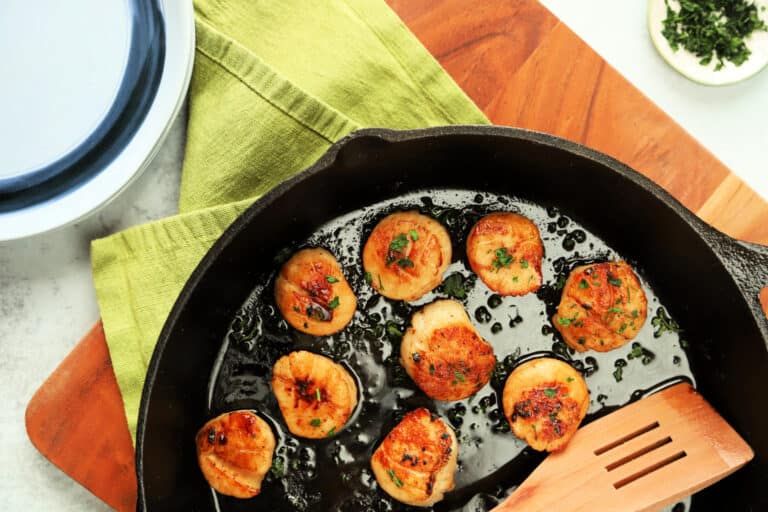
Seared Scallops
With just a few simple steps and tricks, you can cook up restaurant-worthy seared scallops that will wow your friends and family. The large scallops are best when they are crisp and browned on the outside, yet medium-rare on the inside.
- Total Time: 15 minutes
- Yield: 4 servings 1x
Ingredients
- 1 pound scallops, U10-20
- 1–2 tablespoons oil, avocado, canola, ghee, or other high smoke point oil
- Fine Sea Salt
- Black Pepper
- 1–2 tablespoons butter, optional
- Fresh Lemon Wedges
Instructions
- Heat a cast-iron skillet, griddle, or stainless-steel pan over high heat.
- Use the mercury ball (water test) to gauge if the pan is hot enough to add oil. Just add a few drops of water to the pan; if they form tiny balls and roll off, you can add your oil. If the water droplet evaporates, the pan is not hot enough, and the scallops will stick to the pan.
- Coat the bottom of the pan evenly with an oiled, folded-up napkin.
- Pull off and discard the crescent-shaped muscle on the side of each scallop. This side muscle is also called the “foot,” and it is tough and chewy.

- Use a paper towel to thoroughly pat them dry.
- Lightly season both sides of your scallops.

- Once the oil is almost smoking, place your scallops in the pan, making sure the wider, flatter side of each scallop makes full contact with the surface. Turn on your stove’s exhaust fan because your kitchen can fill with smoke!
- Allow the first side to cook 1 1/2-2 minutes before flipping. Turn scallops with a tong one at a time. Don’t flip them until they easily release from the pan and have a nice golden crust.
- Cook the second side for another 2 minutes. They should turn white and opaque on the sides, and feel springy to the touch when they’re done. Turn scallops only once.
- Additionally, you can reduce the heat to low, add butter, shallots, garlic, and/or herbs to taste, and baste before removing from the pan.
- Serve right away with fresh lemon wedges.
Notes
When in doubt, check the internal temperature of your scallops. They should be between 115-120 degrees. They will also feel slightly firm to the touch, but still spring back.
- Prep Time: 10
- Cook Time: 5
- Category: Seafood
- Method: Searing
- Cuisine: American
- Diet: Gluten Free