
Big Homarus americanus aren’t tough by nature. Even a 5- to 6-pounder can come out as tender and sweet as a one-pound chick lobster. What ruins them is overcooking, plain and simple. Let time be your guide, and let a thermometer be the final word. Pull at 135–140°F in the thickest part of the joint, and you’ll get tender, juicy meat.
This guide focuses on large sizes (3–10 lb whole lobsters, 10–20+ oz tails). For standard 1-2 lb lobsters and smaller tails, see our main cooking guides linked below.
Quick Answer: Times & Temps for Large Maine Lobsters
Start checking 2–3 minutes early and finish at 135–140°F in the thick tail joint.
Whole Lobster • 2½–10 lb
Steam & Boil Finish 135–140°F- Weight 2½ lb Steam 12–13 min Boil 12–13 min Target 135–140°F
- Weight 3 lb Steam 12–14 min Boil 12–14 min Target 135–140°F
- Weight 4 lb Steam 17–20 min Boil 15–17 min Target 135–140°F
- Weight 5 lb Steam 22–24 min Boil 18–20 min Target 135–140°F
- Weight 6 lb Steam 24–27 min Boil 20–23 min Target 135–140°F
- Weight 8 lb Steam 27–32 min Boil 23–28 min Target 135–140°F
- Weight 10 lb Steam 34–38 min Boil 30–34 min Target 135–140°F
Start timing when the water returns to a rolling boil or steam is active with the lid on. Add 3–5 minutes for hard shells, or 5–7 minutes at 6 lb and up. Rest 5 minutes, or use an ice bath if you’re picking the meat.
Deep dive: Boil chart • Steam chart
Jumbo & Colossal Tails • 10–20 oz
Oven 350°F Finish 135–140°FButterfly or split lengthwise and pat dry before cooking. Bake on the center rack at 350°F.
- Tail Weight 10–12 oz 350°F Bake about 12–15 min Finish Temp 135–140°F
- Tail Weight 12–14 oz 350°F Bake about 16–20 min Finish Temp 135–140°F
- Tail Weight 14–16 oz 350°F Bake about 18–22 min Finish Temp 135–140°F
- Tail Weight 16–20 oz 350°F Bake about 20–26 min Finish Temp 135–140°F
Full tails guide: Times and temperatures by weight • Butterfly vs. piggyback • Direct and indirect grilling
Why Big Lobsters Can Be Tender (It’s Technique, Not Size)
Large lobsters hold heat longer, so it’s easy to overshoot if you’re only watching the clock. Start your timer after the water returns to a rolling boil (boiling) or steam is clearly active with the lid on (steaming), then verify doneness with a thermometer. If you’re picking meat, an ice bath stops carryover and keeps chunks clean and snappy.
How to Cook a Whole Big Lobster (3–10 lb)
Pick your method first, then match the timing to the weight. Steaming and boiling both work for whole lobsters up to 10 lb; the bigger the animal, the more steaming earns its keep.
Steam vs. Boil (Which to Pick)
For 5+ lb lobsters, steam rather than boil. Steaming is more forgiving with large, heat-retaining lobsters and reduces waterlogging, while boiling requires tighter timing and can leave large lobsters waterlogged. At 6+ lb, steaming is strongly recommended unless you’re highly experienced.
Hard-shell: add 3–5 min (3–5 lb) or 5–7 min (6+ lb). Start checking early, pull at 135–140°F.
Deep dive:
- Boiling Live Lobsters: Time & Temperature Chart (Whole 3–5 lb)
- Steaming Live Lobsters: Step-by-Step Setup + Time Chart by Weight
Grilling Whole Lobsters (3–5 lb)
Split the lobster lengthwise and grill it shell-side down over indirect heat (350–375°F) with the lid closed, basting as it cooks:
- 3 lb: 15–18 min
- 4 lb: 18–22 min
- 5 lb: 22–26 min
Finish at 135–140°F. For a little char, flip the lobster meat side down over direct heat for 2–3 minutes.
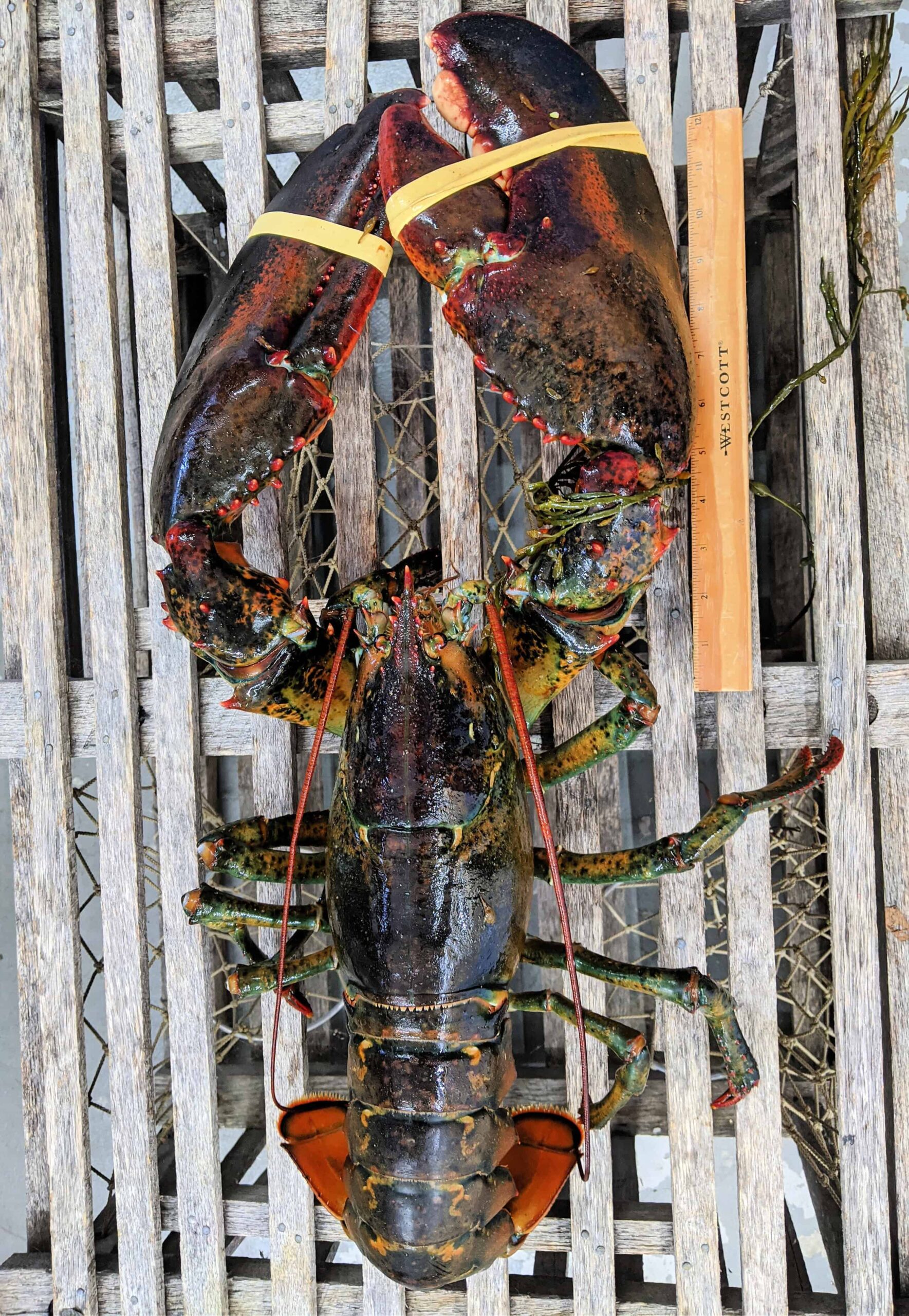
Jumbo & Colossal Lobster Tails (10–20+ oz)
Thick tails cook unevenly unless you cut them first. Cut, then bake, broil, or grill to a 135–140°F finish.
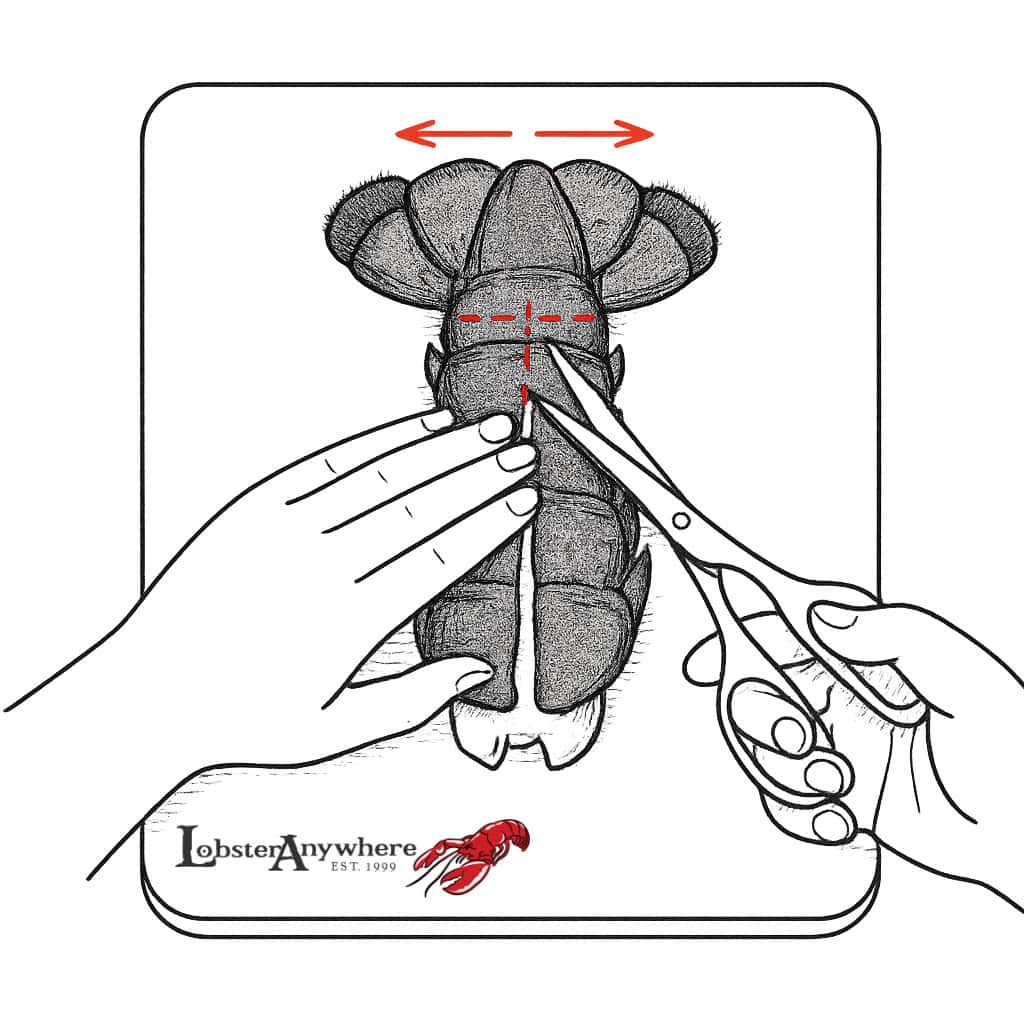
Cutting Techniques: Butterfly, Split, or Piggyback
Large tails (10–20+ oz) should be cut before cooking so heat reaches the center evenly. Here’s how the three methods compare:
| Method | Best Size | Best Use |
|---|---|---|
| Butterfly | 10–16 oz | Baking, broiling, presentation |
| Split / halve | 16–20+ oz | Grilling; fastest, most even |
| Piggyback | 12–16 oz | Middle-ground; deeper exposure than butterfly |
Which to pick:
- Bake or broil, 10–14 oz: butterfly
- Bake or broil, 16+ oz: split
- Grilling, any size: split (the shell protects the meat)
- Maximum exposure: piggyback (cuts deeper than butterfly)
Not sure how to cut? See butterfly vs. split or the piggyback method.
Baking & Broiling
Bake on the center rack at 350°F and finish at 135–140°F internal. Butterfly or split the tail first, pat dry, and start checking early. Hard shells may need an extra 1–2 minutes.
- 10–12 oz: 12–15 min
- 12–14 oz: 16–20 min
- 14–16 oz: 18–22 min
- 16–18 oz: 20–23 min
- 18–20 oz: 23–26 min
- 20+ oz: 30–35 min (very thick tails need the extra time to reach the center)
For high heat, keep the meat farther from the element or flame and baste with butter to prevent it from drying out.
Moisture insurance: A 30-minute brine keeps big tails plush. Use 4 cups of water, ⅓ cup kosher salt, and ¼ cup sugar, and keep it ice-cold. The sugar buffers protein contraction, so the meat stays tender.
- Heat 4 cups of water with ⅓ cup kosher salt and ¼ cup sugar for 5–7 minutes until dissolved.
- Cool it down with about 3 cups of ice until cold.
- Submerge the butterflied or split tails and chill for 30 minutes.
Grilling Tails (Two-Zone Method)
Grilling adds smoky char and works well for large tails. Split them lengthwise (butterfly the smaller ones), brine if you like, and brush with butter or oil before they hit the grate. Always finish at 135–140°F.
Start on the cooler side, shell-side down. Medium heat, 350–375°F, lid closed. This does most of the cooking and lets the shell shield the meat.
- 10–12 oz: 6–8 min
- 14–16 oz: 8–12 min
- 18–20+ oz: 12–15 min
Finish over the flame, meat-side down. High heat for char, all sizes 2–4 minutes. Baste every 2–3 minutes and watch for flare-ups.
Key tips: Shell-side down protects the meat, so start there. Use a thermometer rather than the clock, and pull at 135–140°F. If the tail curls hard, it’s overcooked.
Turkey Fryer (Outdoor Boil or Steam)
A 30–32 qt turkey fryer with a propane burner and a basket is the best rig for big lobsters. The volume and the high heat let the water recover fast after you drop a lobster in, and steaming over a couple of inches of salted water is forgiving enough that it’s hard to overcook.
- To boil: Use ¾–1 gallon of water per lobster for 3–5 lb lobsters, or 1.5–2 gallons for 6 lb and up, with ¼ cup of salt per gallon. Cover the lobsters by 1–2 inches and never fill past ¾ full. Start timing when the water returns to a rolling boil and pull at 135–140°F.
- To steam (best for 5–10 lb): Set a basket or improvised rack over 2–3 inches of salted water, then cover with a lid. Start timing once steam is active. For hard shells, add 3–5 minutes for 3–5 lb lobsters or 5–7 minutes for 6 lb and up.
- Handling: Chill live lobsters for 15–20 minutes first; don’t crowd the pot; and rest cooked lobster for 5 minutes or drop it in an ice bath before picking.
- Safety: Fry outdoors on a level surface with the lid nearby. Never fill past ¾ full; lower lobsters in slowly; wear gloves; use long tongs; and keep kids and pets clear.
Turkey Roasting Pan (Oven Bake or Broil)
A large roasting pan with a rack handles jumbo tails and big claws well. A 16–20 inch pan fits 4–6 tails at once. Whole jumbos are better steamed or boiled, but for tails, this is a clean setup.
- To bake: Butterfly or split the tails, pat them dry, and brine if you like. Bake at 350°F on the center rack with butter and seasoning.
- Timing: 10–12 oz run 12–15 min, 12–14 oz run 16–20 min, 14–16 oz run 18–22 min, and 16–20 oz run 20–26 min. Finish at 135–140°F.
- To broil: Position the rack 6–8 inches from the element, baste, and work in short bursts, rotating the pan. Pull at 135–140°F.
- To steam-roast: Set the rack over ½–1 inch of hot, salted water, tent with foil, and cook at 350–375°F until the internal temperature reaches 135–140°F. Finish with a 1–2 minute broil for color.
Batch Workflow & Holding
- Cook in consistent batches so timing stays predictable.
- Tent finished lobster loosely for 10 minutes or less. Don’t seal it, or the meat keeps steaming.
- Ice bath 3–5 minutes before picking to stop carryover and firm the meat.
- Hold picked meat in 140–160°F clarified butter for a maximum of 30–45 minutes.
Aftercare & Cleanup
- Strain and cool the cooking liquid, then double-bag the shells.
- Simmer a little lemon peel to deodorize the kitchen.
- Rinse racks and baskets with warm water.
- Save the shells: roast at 400°F for 10–15 minutes, then freeze for bisque.
Related: Timing charts • Full boiling guide • Full steaming guide
Common mistakes with big lobsters (and fast fixes)
- Assuming bigger means tougher: Focus on 135–140°F, not size.
- Starting the timer too early: Wait for a full boil or active steam.
- Crowding the pot: Use a bigger pot or cook in batches.
- Skipping the split on jumbo tails: Butterfly or split them first.
- Ignoring shell hardness: Add 3–5 minutes for 3–5 lb lobsters and 5–7 minutes for 6+ lb lobsters. Verify the temperature.
- Guessing at doneness: Use an instant-read thermometer and pull at 135–140°F.
- No rest or chill when picking: Rest for 5 minutes or use an ice bath.
- Salt guesswork: Add ¼ cup salt per gallon.
More: Lobster tails • Grilling tails • Blanch for shell-off
Large Lobster Size Guide: What to Expect
| Size | Cook Method | Yield | Serves | Best Use |
|---|---|---|---|---|
| 3 lb | Steam/Boil | 12–18 oz | 2–3 | Dinner for two |
| 5 lb | Steam preferred | 20–25 oz | 3–4 | Small gathering |
| 6–8 lb | Steam preferred | 24–40 oz | 4–7 | Special occasions |
| 10+ lb | Steam (sous vide optional) | 40+ oz | 6–8 | Large feast |
Extra-Jumbo Lobsters (6–10 lb): Special Considerations
Lobsters in the 6-10+ pound range hold a lot of heat, so they need a bit more time and a close eye on temperature. Cooked right, they come out just as tender.
Timing for extra-large specimens
Use these as starting points, then verify with a thermometer:
- 6 lb: Steam 24–27 min, Boil 20–23 min
- 8 lb: Steam 27–32 min, Boil 23–28 min
- 10 lb: Steam 34–38 min, Boil 30–34 min (steaming strongly preferred)
For hard-shell lobsters in this range, add 5–7 minutes. Start checking at the low end of the range and pull when the thick tail joint reads 135–140°F.
Why steaming wins for giants
The gentler heat transfer of steaming gives you a wider margin of error on 6+ lb lobsters. Boiling can work, but the aggressive heat often overcooks the outer meat before the core finishes. If you must boil, use a large pot (25+ qt) and reduce the heat to a gentle boil after adding the lobster.
Equipment requirements
- Pot size: Minimum 25-quart stockpot for a single 6-8 lb lobster; 30+ quarts for 10 lb sea monsters
- Water volume: Plan 1.5–2 gallons per giant lobster when boiling
- Tools: Long-handled tongs (18″+), heavy-duty crackers, and a reliable instant-read thermometer
Yield expectations
6 lb: about 24–30 oz meat (serves 4–5)
8 lb: about 32–40 oz meat (serves 5–7)
10 lb: about 40–50 oz meat (serves 6–8)
Pro tip for 8+ lb lobsters: If you’ve got an immersion circulator, sous vide is the most foolproof way to cook a giant. Set the bath to 135°F, cook 60–90 minutes depending on size, then finish under the broiler or on the grill. Almost impossible to overcook.
Love lobsters The bigger the better Yummy Too bad I can’t afford them