
Thank you for ordering! Now that your seafood has arrived and you scanned the QR code on the package, here’s everything to know from handling and storage by the type of product, cooking instructions for our most popular items, preparation tips, and recipes. This way you can enjoy your seafood cooked to perfection today, and know how to store anything you bought for later use.
Just received your order?
Before you start dinner, find the handling guide for your order. Most of our frozen items also have basic instructions on the packaging. Check those directions for product-specific thawing, cooking, or heating guidance, and keep the instructions included in your box handy.
Have a question about your delivery or an item in your box? Visit our Help page.
Pro-tip: The cooking times are a guide and not set in stone as stovetops, pot sizes, and seafood sizes vary, so yours may need a minute or two more or less. Start with the shorter time and check for doneness. You can always cook seafood a little longer, but you can’t undo overcooking. See how to tell when lobster is done.
Before you unpack
- Open your box promptly and check the contents against your order.
- Check the package labels and included instructions. Some items may be raw while others are fully cooked and need different handling.
- Put frozen seafood in the freezer if you are not preparing it soon. When ready, follow the package’s thawing instructions and our seafood handling guide.
- Remove shipping materials and gel packs before cooking.
- If an item is missing, a package is damaged, or you have a concern, take photos and contact us with your order number.
If your box contains dry ice
- Never touch dry ice with bare hands. Use insulated gloves designed for very cold temperatures and eye protection.
- Keep it away from children and pets. Do not eat it or add it to drinks.
- Unpack in a well-ventilated area. Do not keep dry ice in an airtight container or a small enclosed space.
- Let unused dry ice turn to gas in an open container in a well-ventilated area, out of reach of children and pets. Do not put it in a sink, toilet, or trash can.
Little or no dry ice remaining can be normal. Check the seafood itself: frozen items should arrive frozen, with ice crystals, or at 40°F or below when measured with a food thermometer. If an item arrives above 40°F or you are unsure, contact us before preparing it.
Find what’s in your box
Lobster & lobster meat · Chowder, shrimp & scallops · More cooking guides · Recipes
Live Lobsters and Lobster Meat
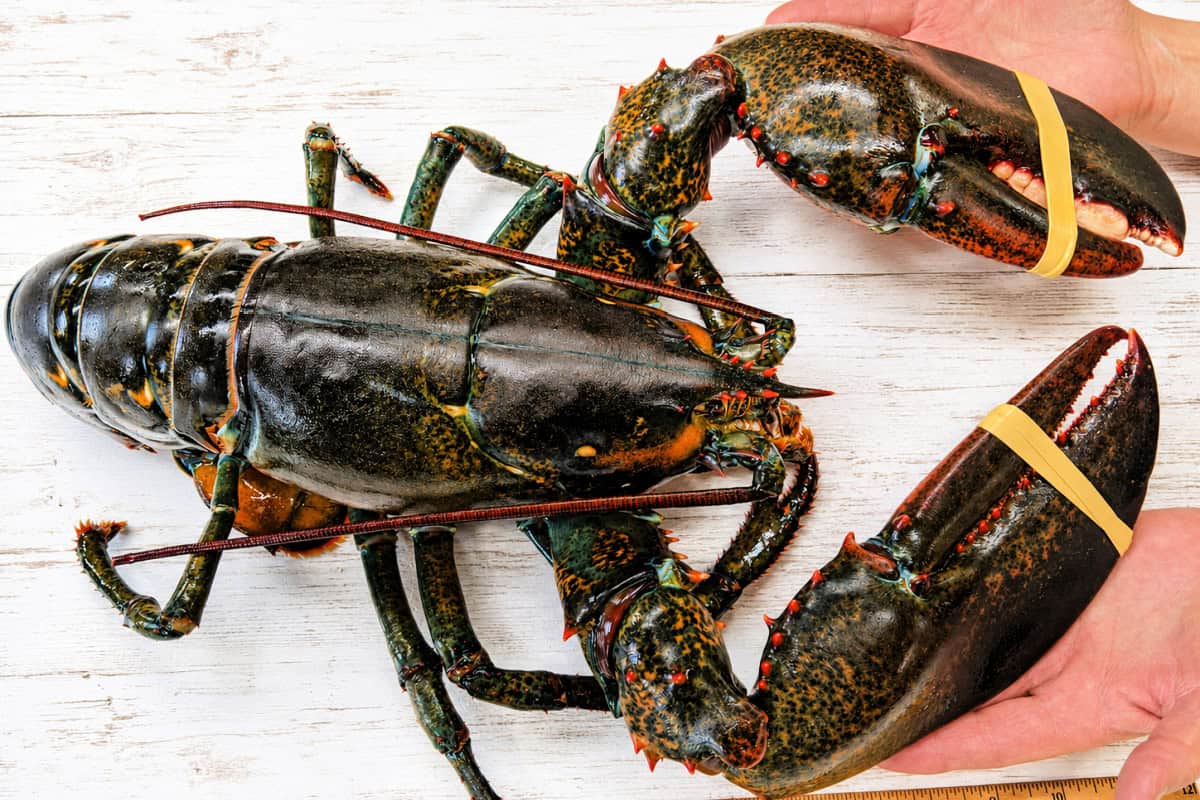
Live lobster
Refrigerate promptly and plan to cook today. Keep the lobsters covered with damp packing material or a damp cloth. Do not put it in fresh water, a sealed bag, or the freezer. Leave claw bands on until cooked. See our live lobster storage guide for more details and FAQs.
Cooking instructions:
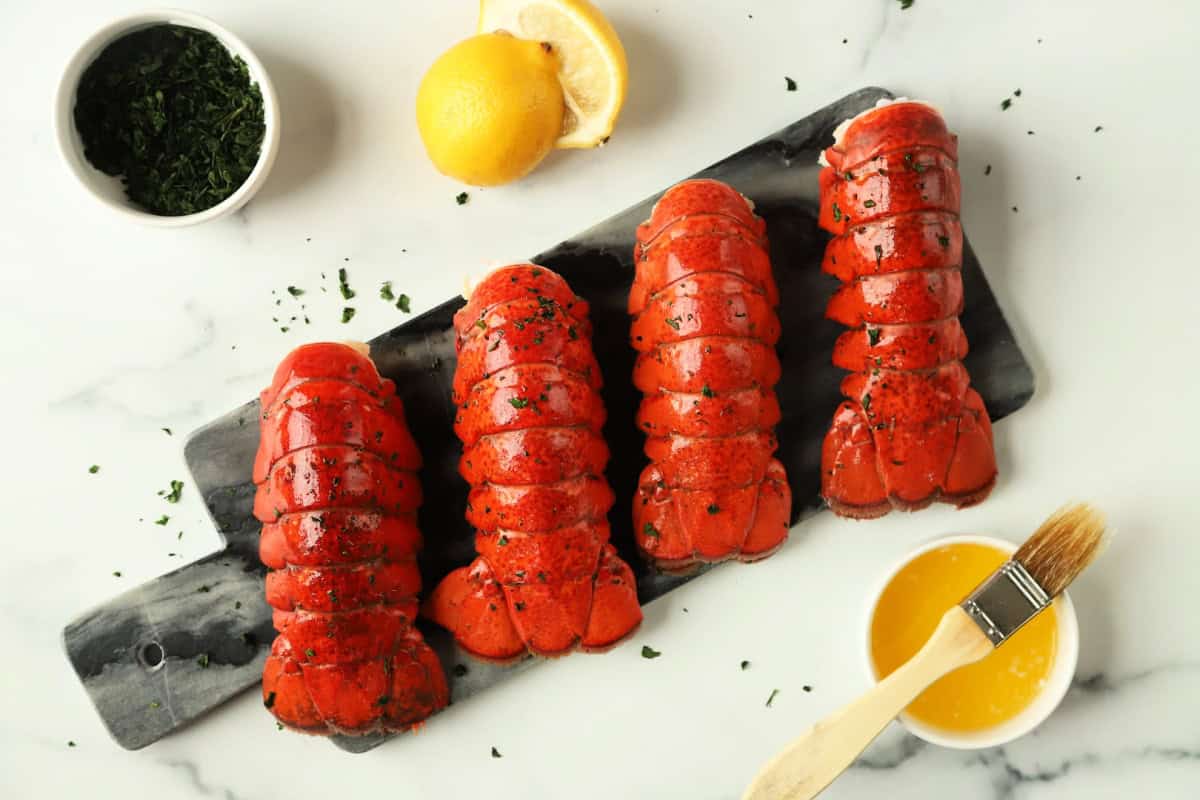
Lobster tails
Find thawing and preparation instructions in your pamphlet, then simply choose your favorite way to cook your lobster tails from baking and grilling, to steaming and boiling.
A few guides to help you regardless of which option you choose include:
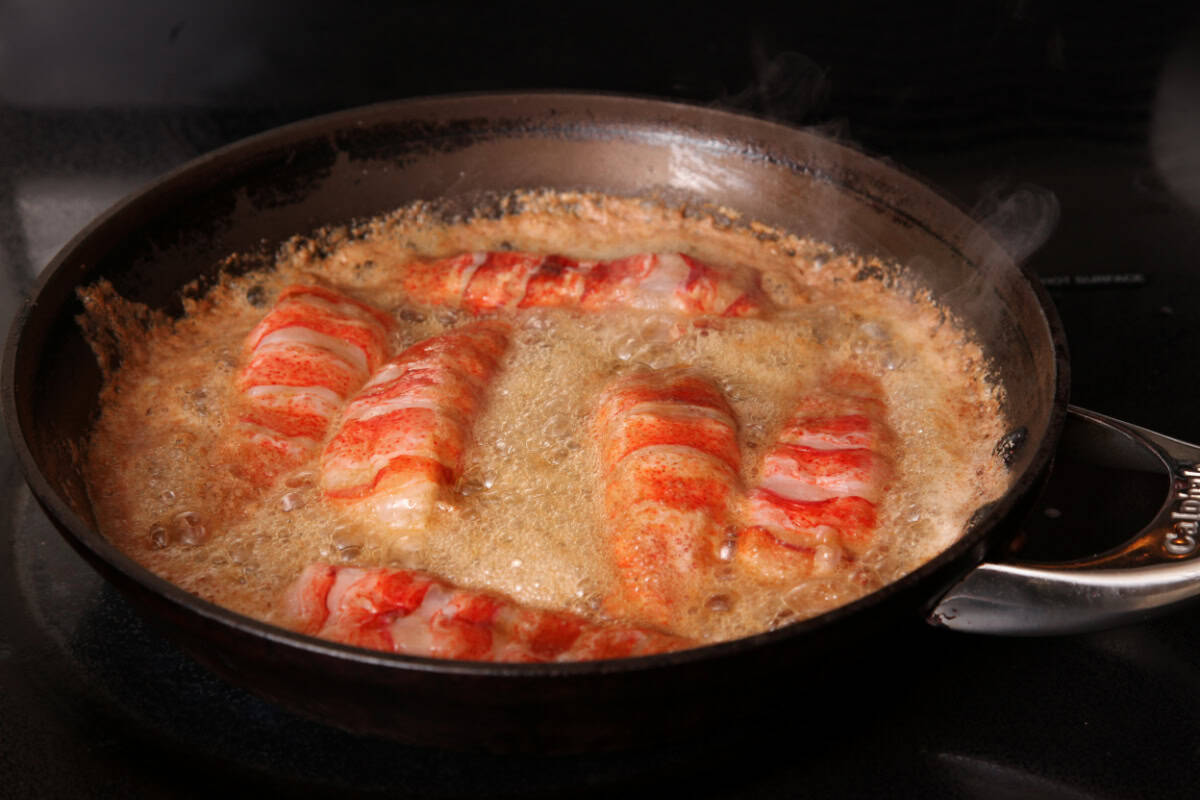
Raw lobster tail meat
Our shucked lobster tail meat ships frozen and raw. It’s removed from the shell with high-pressure processing, not cooking, so cook it before eating, including when it is used for lobster rolls and salads.
Not ready to cook yet? It can be stored frozen in the original package until you’re ready to use it for up to 6 months. Once ready to cook, thaw it slowly overnight in the refrigerator. Once thawed, keep it refrigerated and cook within 2 days.
Here’s a couple cooking ideas if you’re looking for what to do with the raw tail meat:
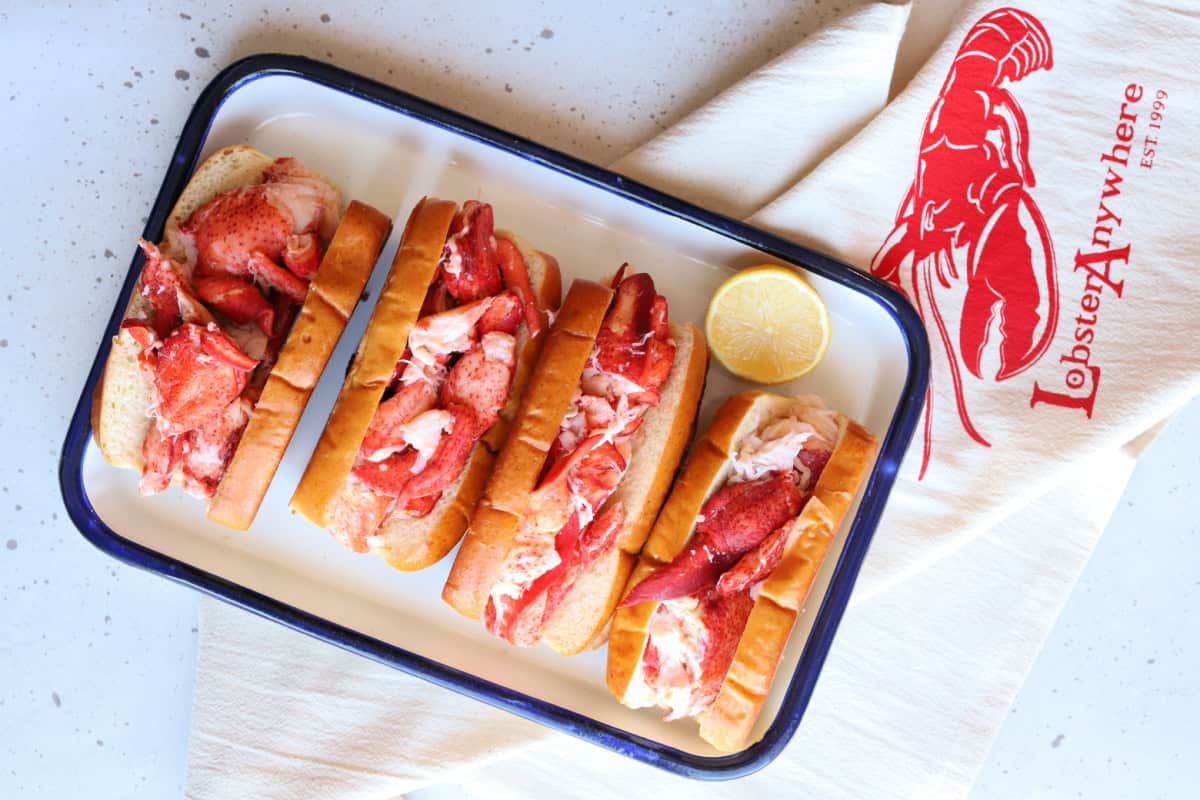
Lobster meat & lobster rolls
Making lobster rolls? Perfect, if you bought one of the lobster kits, click here to learn how to make the different types of lobster rolls. Didn’t buy a kit and instead have meat packs or shucked tails, no problem!
Our cooked lobster meat is ready to use after thawing. If you have raw shucked tail meat, cook it first and then mix for whatever preparation or recipe you’d like.
The internal temperature should reach 135 to 140°F and the FDA’s recommendation of 145°F.
Chowder, shrimp & scallops
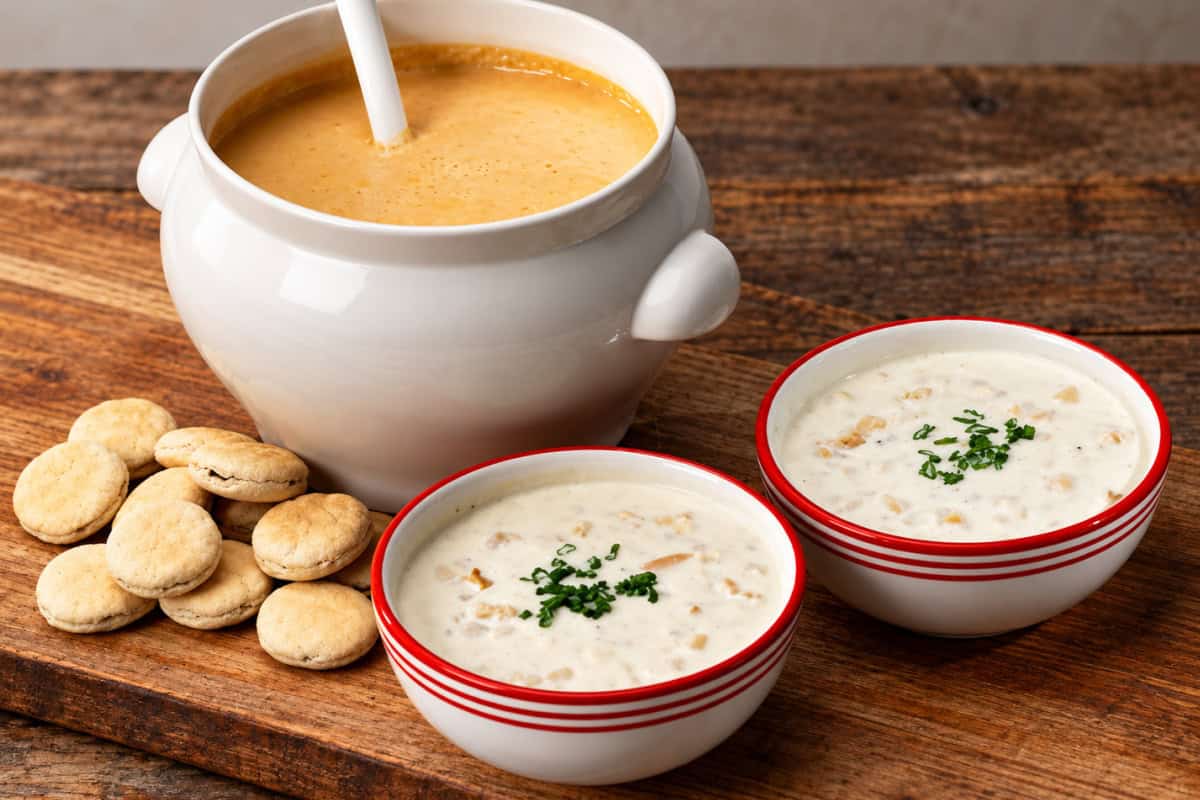
Chowder, bisque & soups
Find heating and serving instructions for your chowder, lobster bisque, or soup directly on the package.
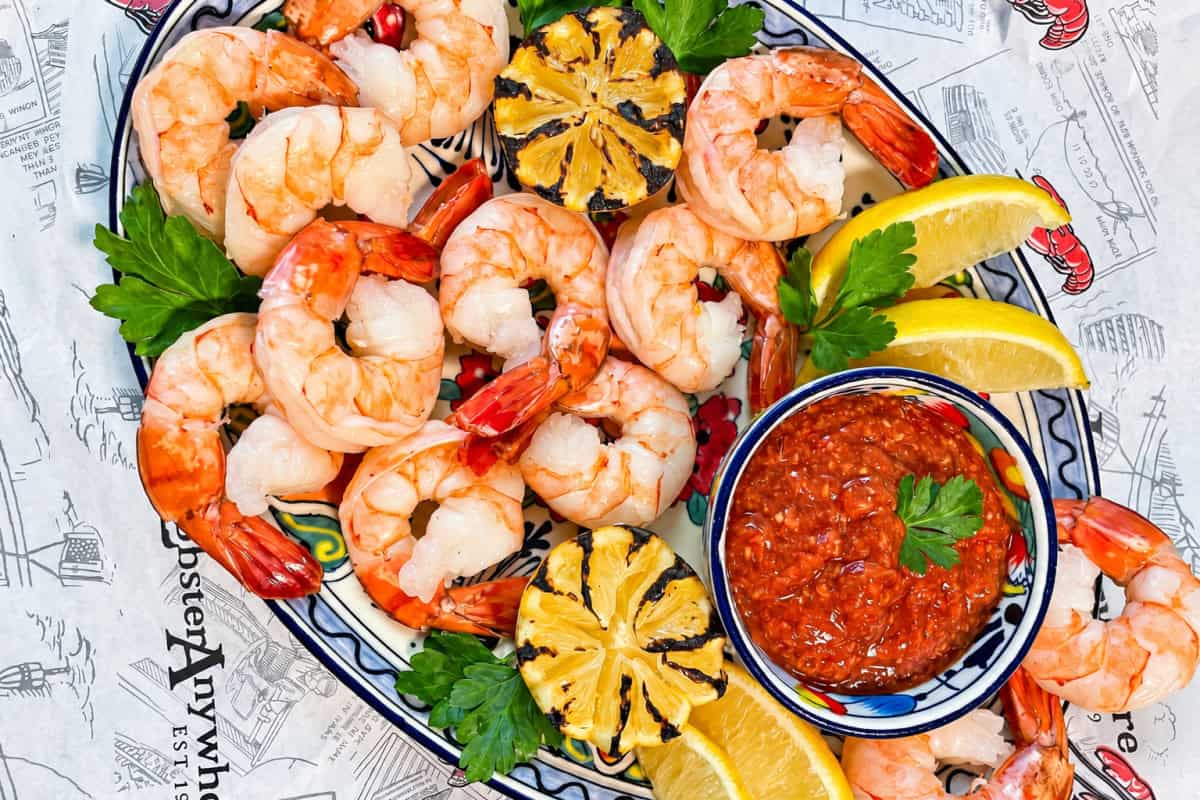
Shrimp
Choose boiling, grilling, or baking, with preparation tips for your shrimp found on the package and in the book that we included with your shipment.
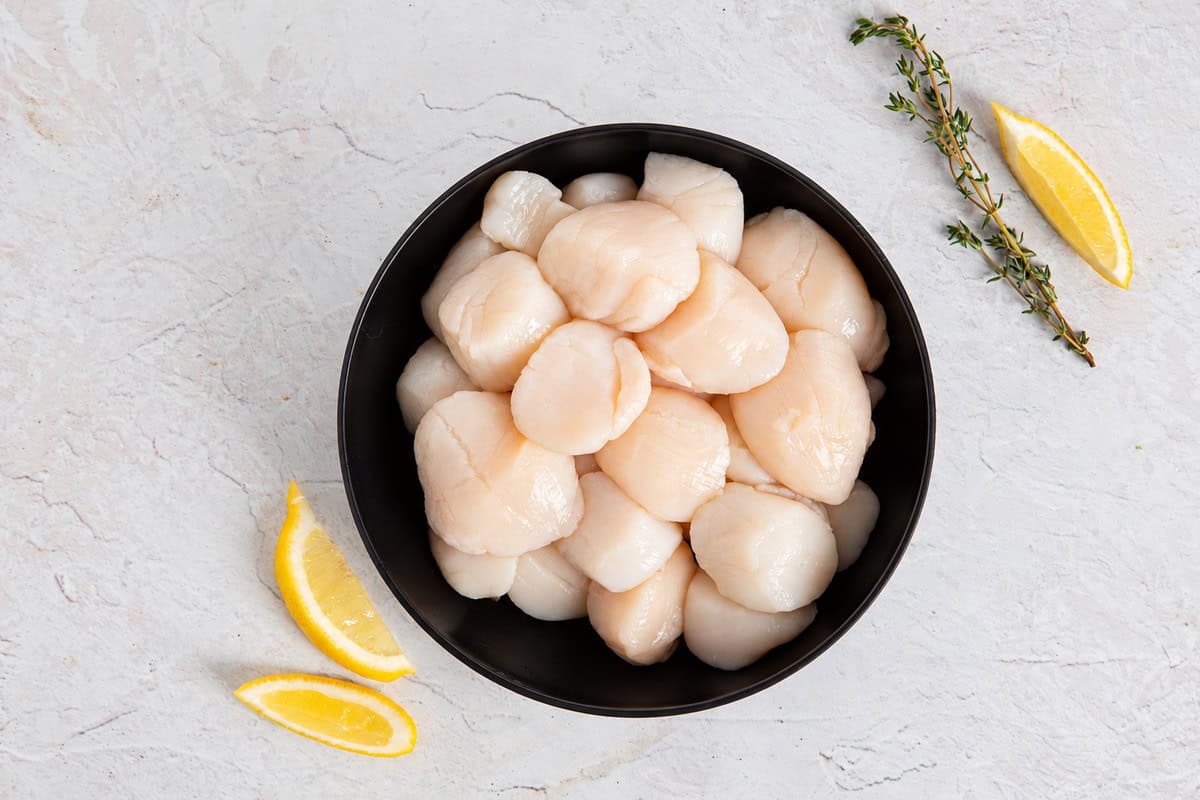
Scallops
Look at the package and in the book for preparation and cooking tips for serving sea scallops at home.
More cooking guides
Throughout the year we carry miscellaneous seafood items from steamer clams to oysters. If you’ve ordered a seasonal item, here are the cooking, storage, and reheating instructions for each.
- Mussels
- Steamer clams
- Little necks & hard-shell clams
- Shucking & eating oysters
- Alaskan king crab legs
- Fresh fish
- Steaks & surf and turf
Consumer advisory
Eating raw or undercooked seafood increases the risk of foodborne illness. Pregnant people, children, older adults, and people with weakened immune systems should avoid raw or undercooked fish and shellfish.
Read the FDA’s seafood safety guidance and the University of Maine Cooperative Extension’s seafood handling guide.
Common questions after delivery
My lobster isn’t moving. What should I do?
Check for leg or tail movement without removing the claw bands. If you cannot see any movement or are concerned about its condition, contact us promptly with your order number and a photo or short video before preparing it.
I can’t cook my live lobsters tonight. Where can I find storage instructions?
Read our live lobster storage guide before planning a later meal. If your plans have changed and you need help with your order, contact us.
Why are frozen items in my live lobster order chilled instead of frozen solid?
Orders shipped with live lobster use gel packs rather than dry ice, so frozen items in the same shipment may arrive chilled instead of frozen solid. Check each item promptly. Previously frozen seafood that still has ice crystals or measures 40°F or below with a food thermometer can be refrozen, although texture and quality may change. If it arrives above 40°F, do not eat it; contact us promptly. Refrigerate your live lobsters separately and follow the live lobster storage guide.
There’s little or no dry ice left. What should I check?
Check the food’s condition and temperature, rather than the amount of dry ice remaining. For frozen seafood, use the arrival guidance above. If you are unsure about an item, contact us before preparing it.
My box or a food package arrived damaged. What should I do?
Take photos of the box, the affected packaging, and the item. Contact us promptly with your order number and explain what you found. Do not eat any item whose safety is uncertain.
Arrival temperature guidance: FoodSafety.gov’s advice for shipped perishable food.
Recipes for your next seafood dinner
Looking for a different way to serve your lobster? Try one of these recipes or add a homemade butter sauce.
- Lobster eggs benedict
- Lobster butter sauces
- Maine lobster rangoon
- Gluten-free lobster mac-and-cheese
- Crab stuffed lobster tails
- Ideas for leftover lobster
Need a little more help?
Not sure which guide applies to your order? Visit our Help page with your order number and the name of the item. We’ll help you find the right instructions.