
Spend a hundred bucks on live Maine lobster, then chew it like a bath toy. It happens in good kitchens every night, and it is almost never one big blunder. It is a stack of small ones, and most happen before the pot ever gets hot. They start at the fish counter, follow the lobster into the fridge, and turn up again at the salt jar and the moment the batch goes into the water.
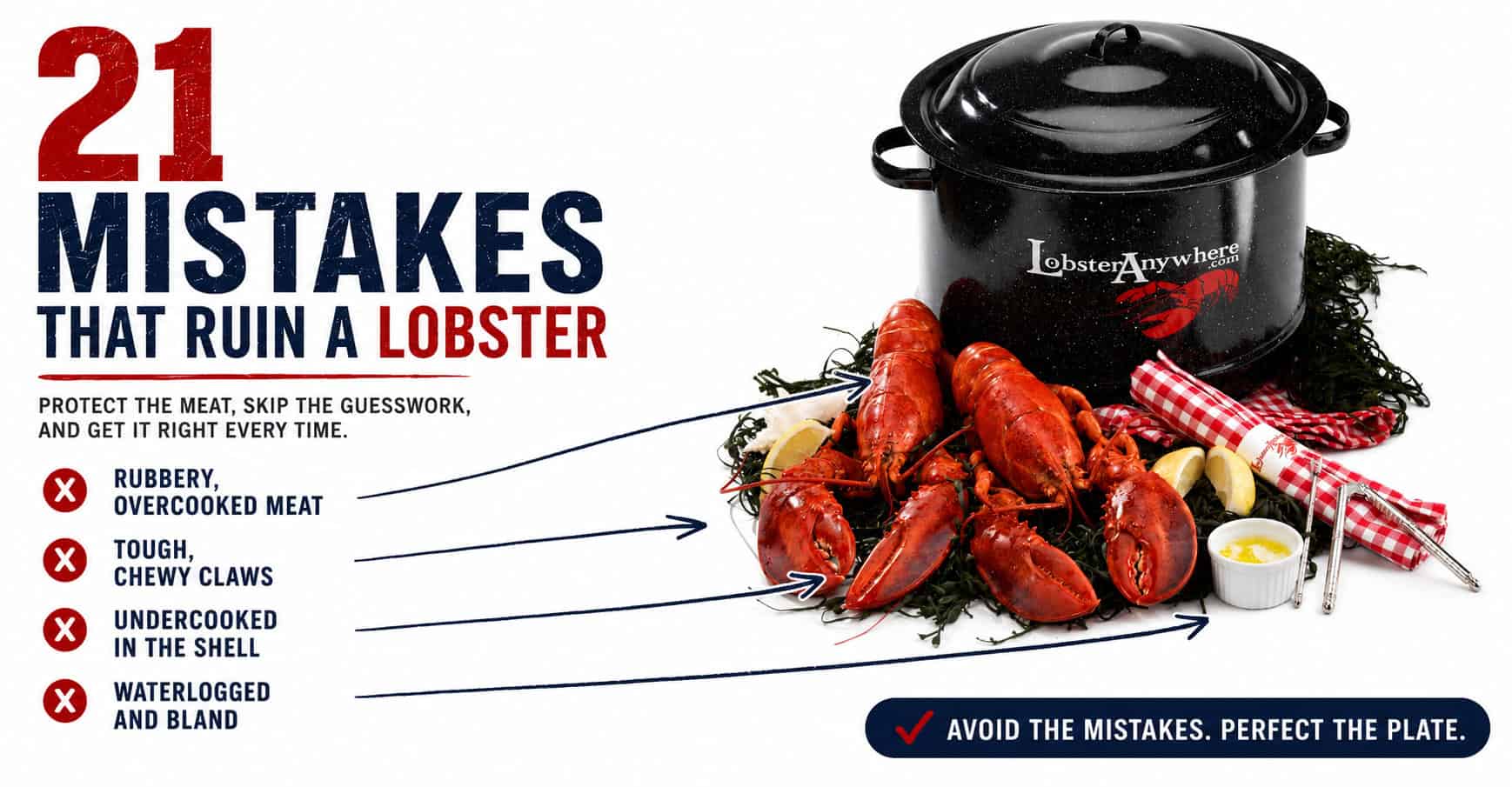
Here are the twenty that cost people the most lobster, small stuff first and the worst saved for last. Get these right, and you end up with the lobster you paid for. The full method is in our lobster cooking guide.
21. Not adjusting for high altitude
Up in the mountains, water boils cooler, roughly a degree for every 500 feet you climb. The pot looks like it is roaring and the lobster is still running behind. Give it about two extra minutes, keep the lid clamped down, and let the thermometer make the call instead of the clock. If you cook at a higher elevation, our high-altitude lobster cooking guide has the specifics.
20. Storing it wrong before you even cook
You can lose a lobster’s taste and texture before the burner is on. Two common problems cause this.
- Sealing a live lobster in a zip-top bag suffocates it, so it’s dead before you can cook it.
- Park it in tap water to “keep it fresh,” which kills it faster than anything.
A lobster is a saltwater animal, and fresh water is the wrong water. It drowns in it in minutes. Keep them in the shipping box in the fridge, or in a paper bag on a tray to catch drips. When you need to store the live lobster, check out our guide to storing a live lobster.
19. Shock freezing the lobster vs. boiling
While some guides tell you to shock the lobster in the freezer to kill or sedate it, this will likely ruin the meat and texture, as the meat will start to freeze and may cook unevenly.
The fastest, most humane way is to send it headfirst into boiling water, or split the head with a knife and then boil. Going straight from room temperature to the heat lets the proteins set quickly and evenly, so the meat comes out tender rather than rubbery. Here’s our guide to cooking a live lobster humanely.
18. Reaching for the Instant Pot
Can you cook a lobster in a pressure cooker? Sure. Should you? We would pass. Pressure erases the thin line between just-right and rubbery, as the lobster meat cooks within seconds rather than the slow, steady process where the meat properly tenderizes in steam, a boil, or when grilling. And lobster is the most unforgiving thing in your kitchen before you ever strap it into a pressure vessel. The fastest way to cook a lobster is by steaming it. It’s about as quick as a pressure cooker and helps ensure proper taste and texture.
17. Using the wrong method for the job
Boiling and steaming are not interchangeable cooking methods.
- Boil a lobster when you are picking meat for lobster rolls, salad, pasta, or bisque, because the rougher heat frees the meat and you can run a crowd through one pot.
- Steam it when the lobster goes to the table whole, and always for the big ones over five pounds, where the gentler heat buys you room to breathe.
Pick the cooking method for the dinner you’re serving, not out of habit or because it is what you know.
16. Trusting the antenna-pull test
Somebody will swear a lobster is done the moment an antenna slides out with a tug, but this is not a sign of your dinner being ready. Sometimes they are right, but plenty of times they are not, and it is a lousy thing to bet a hundred-dollar dinner on. Keep it as a party trick and let the thermometer make the real call. Lobster needs to reach 135°F to 140°F (57°C to 60°C) for tender, juicy meat, and 145°F for the FDA’s recommended temperature.
15. Not splitting jumbo tails
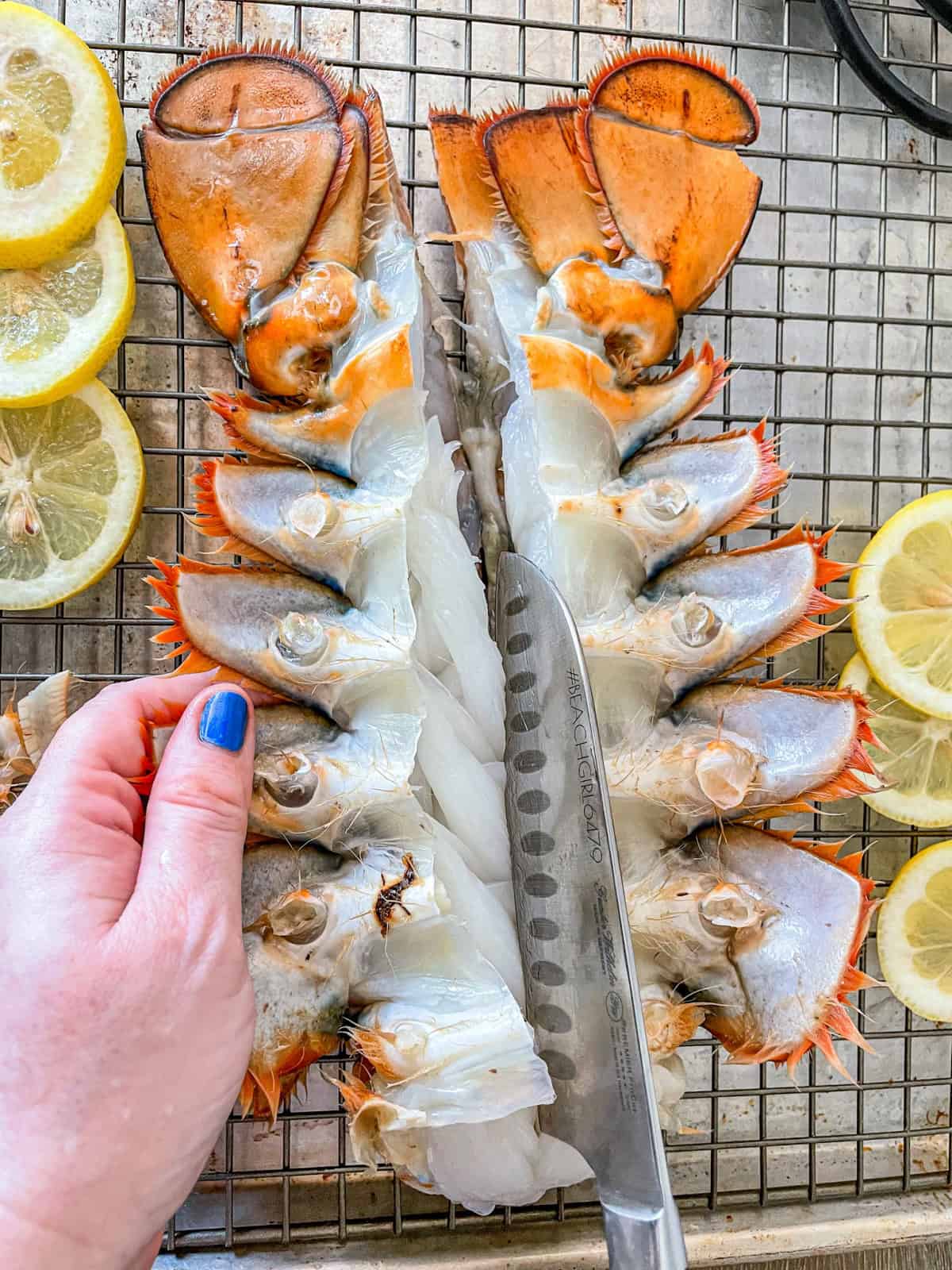
A fat tail, ten ounces and up, will not cook evenly whole as the outside turns to rubber since it cooks faster while the dense meat makes it harder for the middle to cook. Splitting it or butterflying it first lets the heat have a straight shot to the center. We show you the best way to cut lobster tails here. This is the same advice we give when customers purchase our monster tails.
14. Oversalting the water
Salt the water like the sea, not like a pretzel. Use a quarter cup of kosher or sea salt per gallon, and stop there. The water does not need to be seasoned like meat.
Plain water pulls the natural brine out of the lobster, and the salt is what stops it. Pour too much, and you don’t get the ocean flavor that you’d think, you simply get salt. Everything else about the water is in our boiling guide.
13. Not draining the lobster after boiling
An undrained boiled lobster floods the plate with scalding brine and soaks the sides. This can easily ruin the side dishes and create a mess on the plate. You want to stop the cooking process rather than let it overcook, because hot water traps heat inside the shell.
Puncture the claw tip and drain it head-down first once it reaches temperature in the pot. It is a quick and easy way to help ensure the lobster is served properly on the plate and doesn’t make a wet mess on the table.
12. Loading the steamer before it is ready, or packing it tight
There are two ways people botch cooking a lobster by steaming it.
- The lobsters get loaded into the pot before the steam is really going, and the timing slides out from under them.
- The lobsters are crammed into the basket so tight the steam cannot get around each one, and the bottom lobsters scorch while the top ones sit there raw.
Get the steam ripping first, and give everybody room to cook evenly and equally. The steaming guide has the setup.
11. Cooking longer to chase red roe
Crack a cooked lobster, find a black gooey mass where the coral should be, and the instinct is to throw the whole thing out. Do not do this!
That is immature roe that never ripened, and no amount of extra time turns it red. Chasing the color is how you overcook a lobster that was already done. Scrape it, rinse the cavity, and go by temperature. We break down the whole cavity in what is inside a lobster tail and have a guide to lobster roe here.
10. Believing big lobsters cook tough
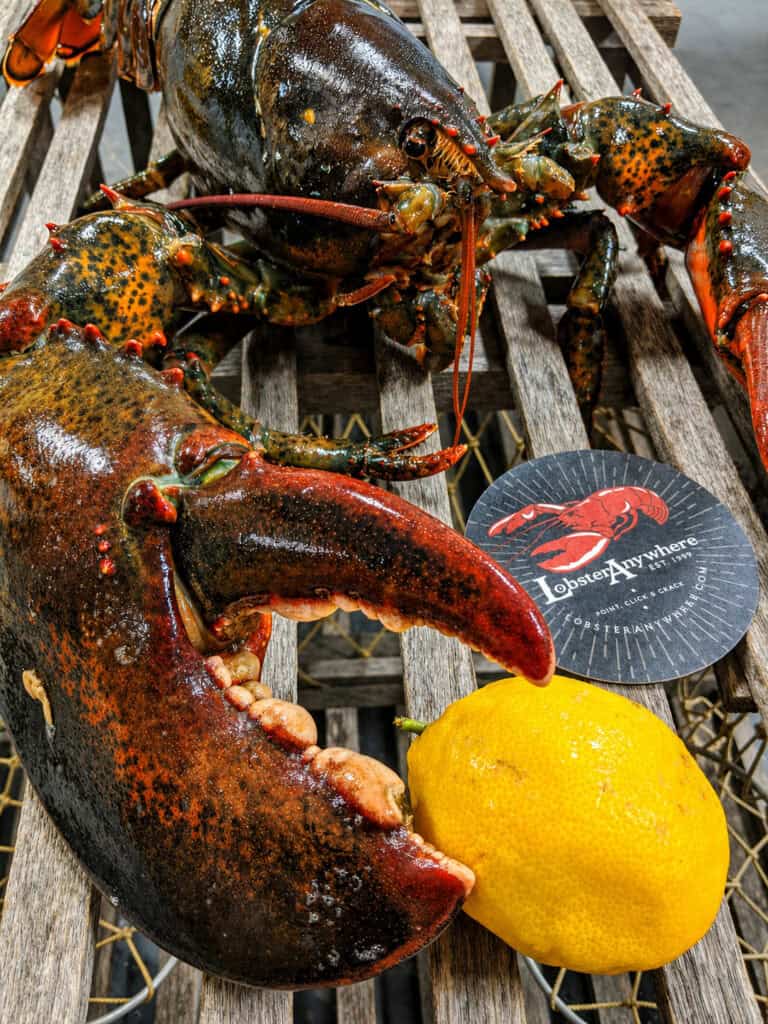
There is a fifty-year-old rumor that anything over two pounds comes out tough and stringy. It is nonsense. A five or six pounder is every bit as sweet as a chick lobster, and the claw meat comes out in one slab you can actually slice. Big lobsters aren’t tough. Overcooking is. The big lobster cooking guide has the full playbook.
9. Multiplying minutes per pound on the big ones
The old minutes-per-pound rule quietly falls apart at the top end. Those flat formulas pile on time and overshoot worse on the giants, which is exactly where a ruined lobster stings the most. Cook to a real chart by weight, then let the thermometer have the last word.
Here’s where you can find lobster cooking times by weight.
8. Ignoring the shell, and the season
The shell in your hand changes your timing, as a lot of the summer catch is soft shell, full of water, and it overcooks in a minute flat, so cut the time and keep an eye on it. Hard-shell winter lobsters run the other way and can take a minute longer than the chart says. When you are not sure which you have, our hard shell versus soft shell page sorts it out. You’ll learn the simple squeeze test to find out if you have a hard or soft shell lobster.
7. Skipping the rest or the ice bath
A lobster does not stop cooking when it leaves the pot. The shell holds enough heat to keep cooking on its own, which is why some cooking guides say that you can pull it at 135°F.
Even if you pull a tail at a perfect 140°F, it can still climb past 150°F and turn into the rubber in about five minutes. Let a whole one rest five minutes before you serve. If you are picking the meat, or you just want to stop it cold, drop it straight into ice water. Carryover has ruined plenty of lobsters that got pulled at exactly the right second.
6. Crowding the pot
Stuffing too many lobsters into a small pot to save time only ends up taking longer. Dropping cold lobsters into a crowded pot can chill the water and stop the boiling.
If the water does not return to a rolling boil within 30 seconds after you add the lobster, you have overloaded it. When the pot is overloaded, you will pull some that are done and some that are raw from the same water. Give them room, or run two batches. The pot size chart tells you what you need.
5. Trusting the red shell
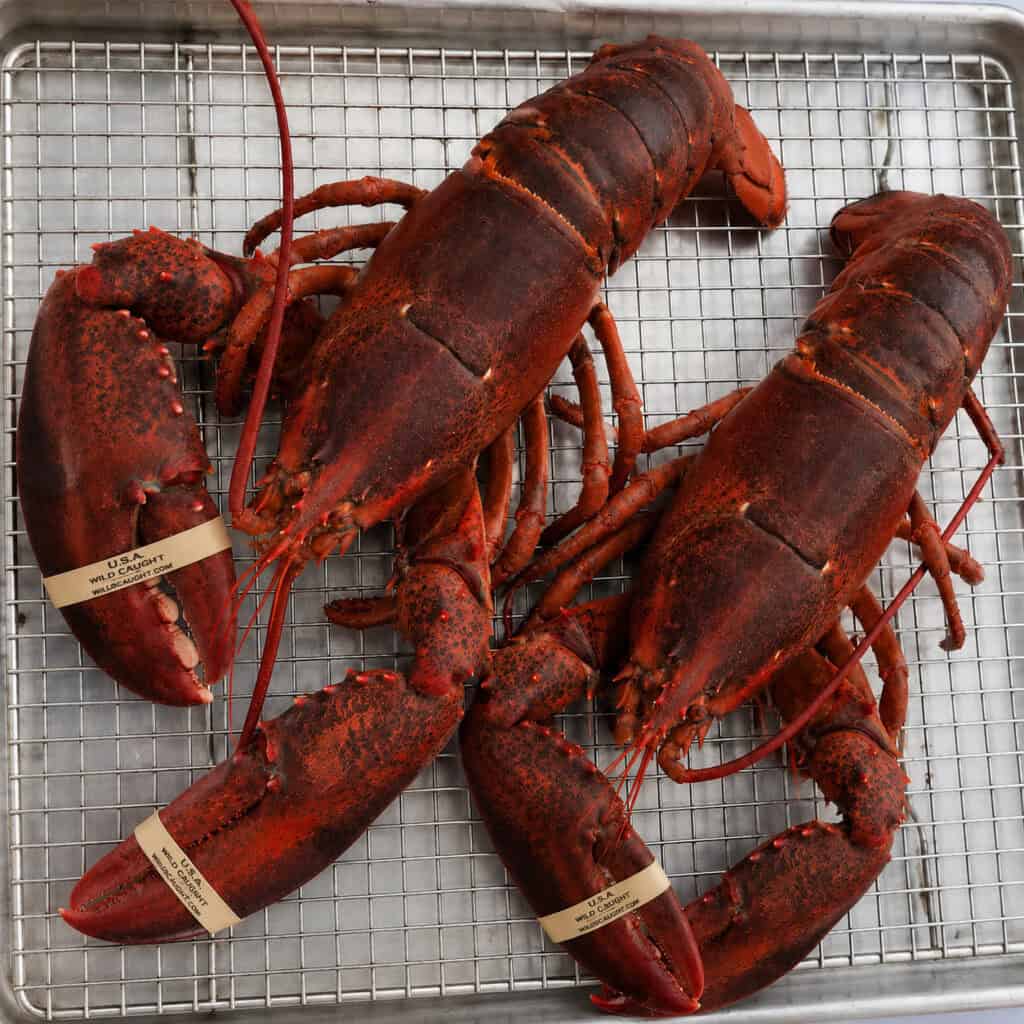
The shell turns red no matter what, and it turns early. A red lobster shell only tells you that heat happened, not that the middle is cooked, and that little lie fools more people than anything else when cooking lobsters.
Slide the thermometer into the thickest part of the tail from the side nearest the body. You want 135°F to 140°F. Color and curl are backup signals, not the actual call. The doneness guide runs through every cue.
4. Starting the clock when the lobster goes in
Start your timer when the water comes back to a full boil, not the second the lobster hits it. On a full pot that is three or four minutes you would be counting for nothing, and on a little quarter-pounder that gap is a 40 percent error. Steaming is the same. Start when the steam is cranking again, not when the lid drops.
3. Timing the whole pot instead of each lobster
This is the one that wrecks big family dinners. Four 1.5-pounders are four nine-minute lobsters, not one thirty-six-minute lobster. Time them like a single six-pound animal, twenty-some minutes, and you have made expensive rubber for the whole table.
Every lobster cooks to its own weight, full stop, no matter how many are in the pot. The times by weight chart gives you each one.
2. Cooking it too long
If this list has a villain, this is it. Overcooking ruins more lobster than all other mistakes combined. Sweet, firm meat goes to rubber about sixty seconds past done, and there is no walking it back. Undercooked is a two-minute trip back to the heat. When you are on the fence, pull it and use a thermometer to tell if it is too early or just right.
1. Starting with a weak or dead-going-in lobster
And here is the one you cannot cook your way out of. Every other mistake on this list happens at your stove, where you still have a shot at fixing it. This one is settled before the water boils.
A lobster that goes in weak or dead comes out mushy and cottony no matter how good you are, and that is a sourcing problem, not a cooking one. So pick the feisty one.
The lobster throwing its claws at you is the freshest in the box and the one that will cook and taste best. The only real fix is starting with one that shows up kicking, which is the whole reason we do what we do. Learn how to tell if a lobster is fresh, or let us send you live Maine lobster that lands on your porch still mad about it. Point. Click. Crack.
Lobster is one of the easiest things you’ll ever cook. It’s also one of the easiest to wreck. We hope this list helps you avoid overcooking, undercooking, or cooking it incorrectly.